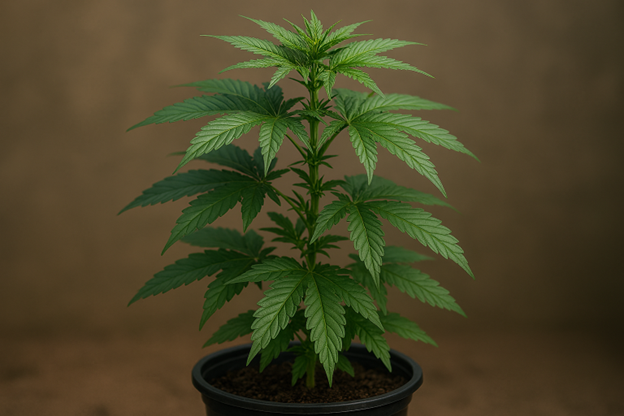
Vegetative Phase in Cannabis Cultivation: Building Strong, Pathogen-Free Plants Through Sanitation
The vegetative (veg) phase is where cannabis plants establish the structural and physiological foundation that ultimately determines yield, quality, and consistency. While lighting, nutrition, and environmental controls are critical, sanitation is the often-underleveraged variable that separates average cultivation from highly controlled, repeatable production systems. A clean veg environment is not just about avoiding problems—it is about actively enabling strong, pathogen-free plants that can reach their full genetic potential.
The Objective of the Vegetative Phase
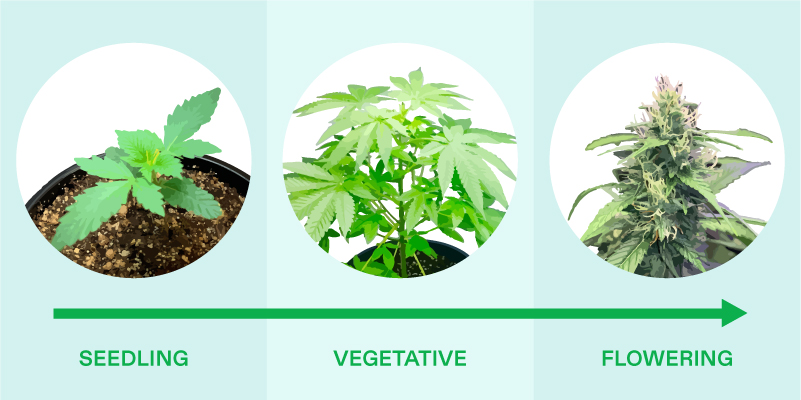
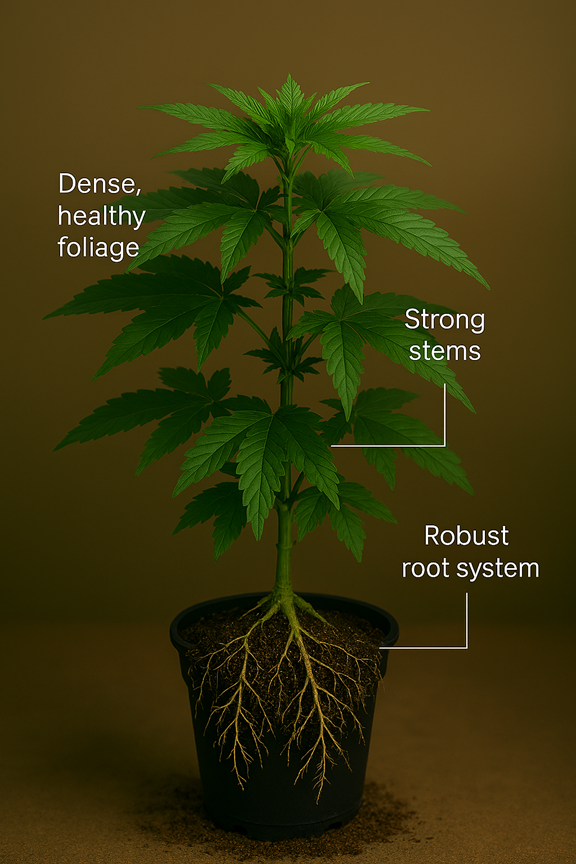
At its core, the veg phase is about biomass accumulation and structural development. Growers are building:
- A robust root system capable of efficient nutrient uptake
- Strong stems to support future floral weight
- Dense, healthy foliage optimized for photosynthesis
Equally important is maintaining plants that are free of pathogens and biotic stress. Any microbial or pest pressure during vegetation diverts plant energy away from growth and toward defense, reducing vigor and compromising downstream performance in flower.
Why Sanitation is Foundational in Veg
Unlike the flowering phase—where intervention options become limited—the veg phase offers a critical window to establish a clean baseline. Pathogens introduced here often persist systemically or environmentally, scaling with plant size and density.
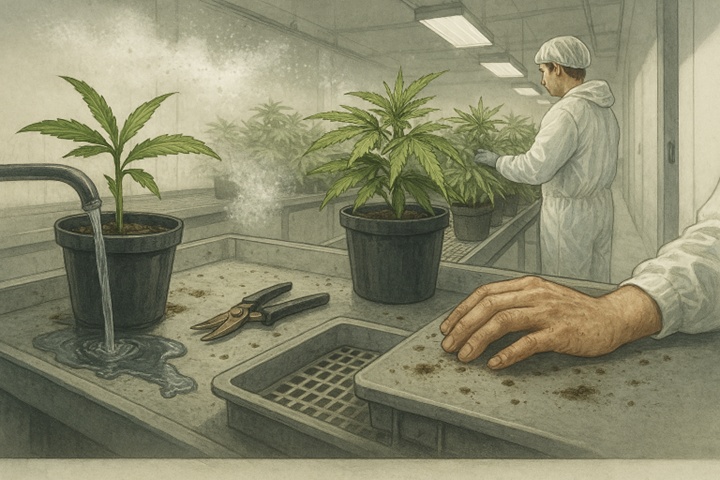
Key sanitation risks in veg include:
- Waterborne pathogens (e.g., Pythium, Fusarium) introduced during irrigation or cloning
- Surface contamination on benches, tools, and trays
- Airborne spores (powdery mildew, Botrytis) that colonize early tissue
- Human vectors including hands, clothing, and movement between rooms
A lapse in sanitation at this stage compounds over time, especially in perpetual harvest systems.
Sanitation Best Practices Integrated into Veg Operations
To maintain pathogen-free plants, sanitation must be embedded into daily workflows—not treated as a reactive measure.
Environmental Sanitation
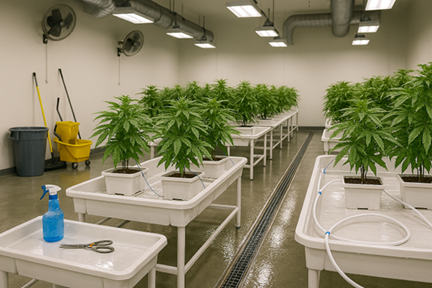
- Routine disinfection of floors, walls, benches, and irrigation lines
- Elimination of standing water and organic debris
- HVAC and air filtration maintenance to reduce airborne load
Tool and Equipment Control
- Sterilization of pruning tools between plants or zones
- Dedicated equipment per room to prevent cross-contamination
- Regular sanitation of trays, pots, and transport carts
Water Quality Management
- Use of treated or filtered water to eliminate microbial load
- Monitoring biofilm formation in irrigation systems
- Periodic line sanitation to prevent pathogen reservoirs
Personnel Protocols
- Controlled room access and movement flow (clean → dirty)
- Hand sanitation and use of PPE where appropriate
- Clear SOPs for sanitation during routine plant handling
These practices are not just preventative—they directly contribute to plant performance by minimizing stress and maintaining metabolic efficiency.
Plant Size Management and Photoperiod Strategy
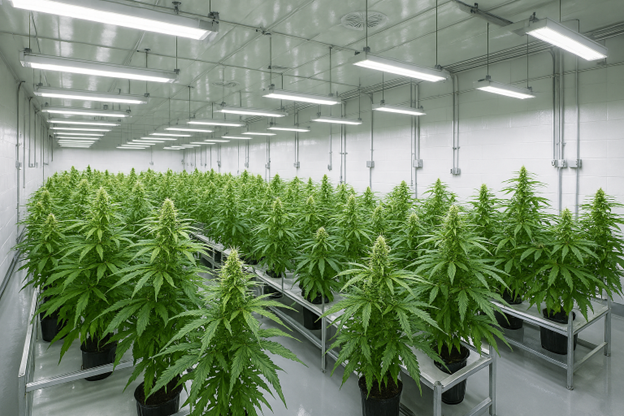
Cannabis is a photoperiod-sensitive crop. When plants are maintained under long-day conditions (typically 18+ hours of light), they will continue vegetative growth indefinitely. Left unchecked, plants can become extremely large, which introduces several operational challenges:
- Increased canopy management complexity
- Reduced airflow and higher microclimate variability
- Greater risk of pathogen establishment and spread
- Inefficiencies in space utilization
For this reason, indoor growers intentionally control plant size. Smaller, well-managed plants often deliver a superior yield-to-size ratio, allowing for:
- Higher plant density
- More uniform canopy structure
- Improved environmental control
- Easier implementation of sanitation protocols
This approach aligns directly with sanitation goals—smaller plants are easier to inspect, treat, and maintain in a pathogen-free state.
Linking Sanitation to Plant Strength
“Strong plants” are not just genetically robust—they are the product of a low-stress, low-pathogen environment. Sanitation contributes to strength by:
- Reducing immune system activation against pathogens
- Allowing energy allocation toward growth and development
- Preventing subclinical infections that limit vigor
- Supporting uniformity across the crop
In essence, sanitation is a growth input. It is as critical as nutrients or light in determining final outcomes.
The Role of Pathogen-Free Starting Material
The veg phase cannot compensate for compromised starting material. Clones or seedlings must be verified clean before entering production. Introducing infected plants undermines even the most rigorous sanitation program.
Best practices include:
- Sourcing from tested, reputable mother stock – test early and often
- Implementing quarantine or observation zones
- Routine microbial testing where feasible – TYM and PCR testing at regular intervals
- Immediate removal of suspected plants
A single infected plant can act as a reservoir, spreading pathogens through irrigation, contact, or air.
The vegetative phase is where cannabis cultivation is either stabilized or set up for failure. By prioritizing sanitation, growers ensure that plants remain pathogen-free, structurally sound, and metabolically efficient. Combined with intentional size management and photoperiod control, this approach produces strong, uniform plants that transition into flower with maximum potential. In high-performance cultivation systems, sanitation is not a supporting practice—it is a central strategy that drives consistency, yield, and quality.
Chlorine Dioxide for sanitation SOPs in cannabis cultivation facilities
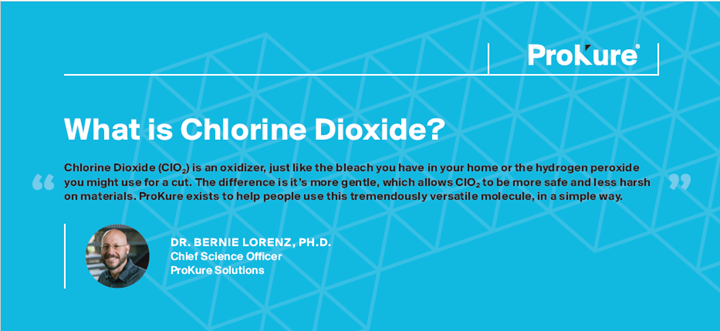
ProKure delivers powerful protection for every part of the facility in every stage of commercial cannabis cultivation:
- Surfaces
- Water Systems
- Air and Environmental Surfaces
See the previous blog for details to build your SOPs with the optimal ProKure foundation. In the 1700s, a famous American inventor said, “An ounce of prevention is worth a pound of cure.” Elite growers experience the truth of that statement daily. Sanitation beats remediation every time.