
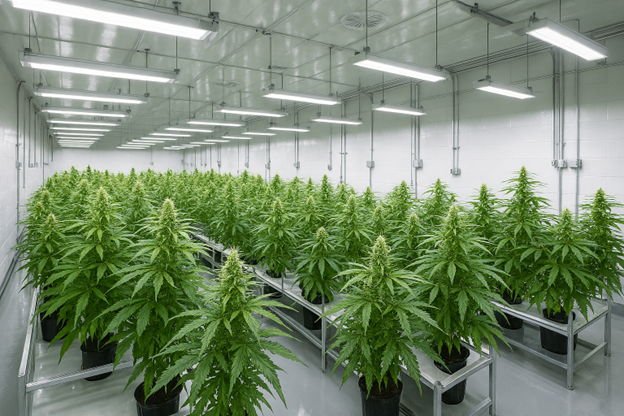
The Undeniable Importance of Room Turns in Indoor Cannabis Cultivation
Indoor cannabis facilities deliver precise environmental control, but those same warm, humid, and dense conditions create the perfect breeding ground for pathogens, pests, and contaminants year-round. Without aggressive sanitation protocols and complete room turns between cycles, problems don’t just emerge—they persist and escalate, resulting in lost yields, diminished quality, failed compliance tests, and costly outbreaks.
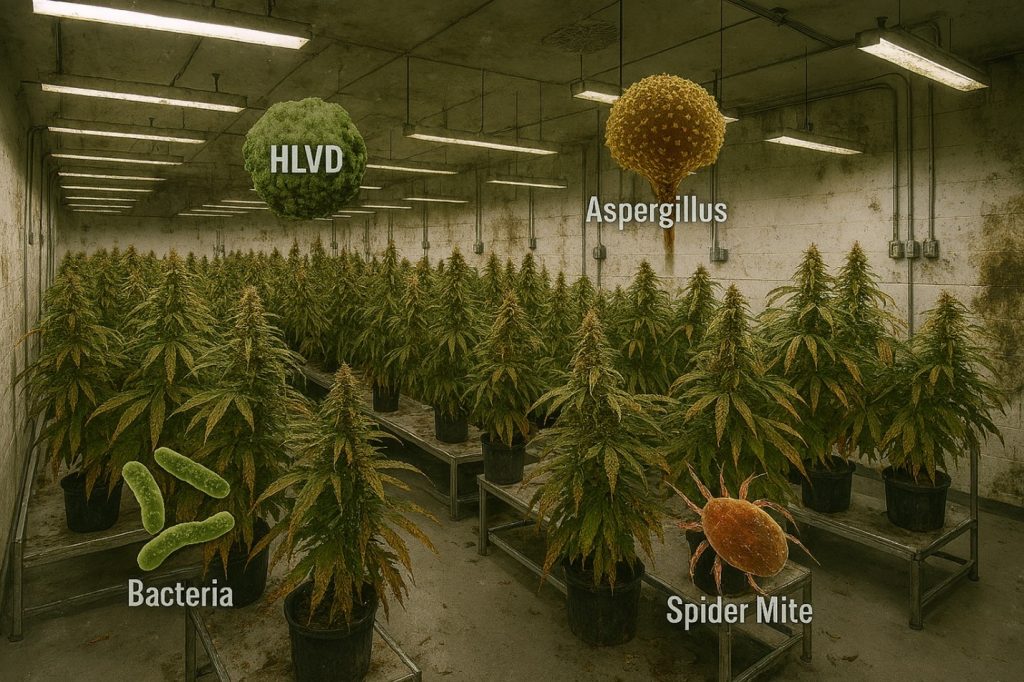
Major Threats in Indoor Environments
- Fungal Pathogens: Powdery mildew, Botrytis (gray mold), Aspergillus, and Fusarium spread rapidly through spores and contaminated water.
- Viroids and Viruses: Hop latent viroid (HLVd) often shows few early symptoms yet can reduce yields by 50% or more while spreading mechanically via tools, hands, or clones.
- Bacteria and Biofilms: Hiding in irrigation lines, reservoirs, and other surfaces, these invisible contaminants protect pathogens and destroy plant health.
- Pests: Spider mites, aphids, russet mites, and fungus gnats thrive and multiply quickly in uncontrolled spaces.
Residual debris, cracks, and HVAC systems allow contaminants to “overwinter,” re-infecting each new cycle from day one.
Room Turns: Your Most Powerful Reset
A thorough post-harvest room turn is the best way to break pathogen lifecycles and start fresh:
- Strip the Room Completely: Remove all plant material, grow media, trays, pots, and debris (dead roots and leaves are prime contamination sources).
- Physical Cleaning: Sweep, HEPA-vacuum, and wash walls, floors, ceilings, lights, fans, trellises, irrigation lines, and equipment.
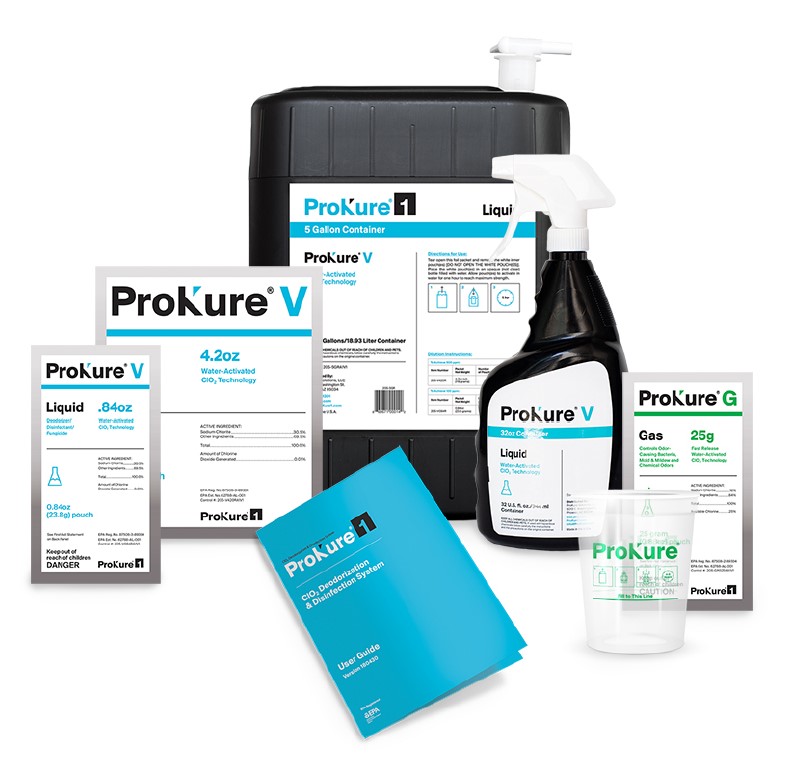
- Surface Disinfection: Apply ProKure V, an EPA-registered liquid chlorine dioxide disinfectant, to all hard, non-porous surfaces. It kills mold, bacteria, viruses, and fungi on-contact with no rinse required and no harmful residues.
- Air and Space Decontamination: Deploy ProKure G, a fast-release chlorine dioxide gas system, in the sealed, empty room. The treatment penetrates cracks, crevices, ducts, and air spaces that liquids can’t reach.
- Validate: Replace air filters, and conduct post-treatment testing (settle plates, spore traps, surface swabs) to confirm the space is clean before reintroducing plants.
- Ongoing Monitoring Setup: Establish baseline testing points for the new cycle using settle plates, spore traps, surface swabs, plus plant tissue and grow media sampling.
ProKure V (surfaces) + ProKure G (air) = the ultimate 1-2 punch for room turns. This combination delivers comprehensive, residue-free decontamination many top cultivators trust as part of their indoor cannabis IPM strategy for reliable resets.
Validation and Ongoing Monitoring: Test to Trust
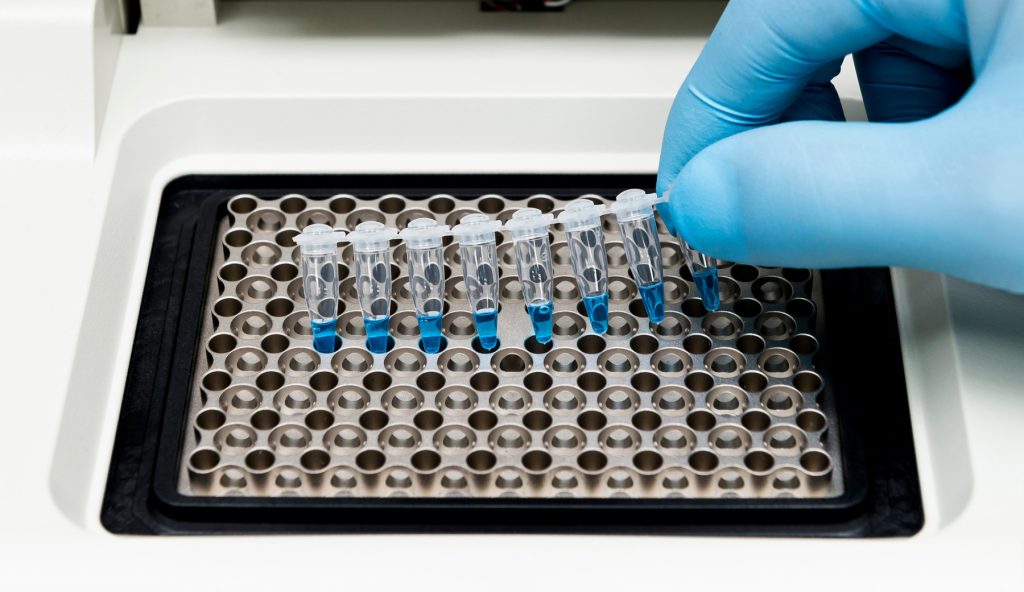
Sanitation is only as good as your ability to verify it. Regular testing provides objective data, catches problems early, and documents compliance:
- Settle Plates: Passive air sampling exposes media plates to room air for a set period (e.g., 1 hour) to capture viable fungal spores and bacteria. Settle Plates are ideal for room-turn validation and routine air quality checks.
- Spore Traps (Air Sampling): Active sampling pumps air through a cassette to capture total spore counts (viable and non-viable). Spore Traps are an excellent tool for detecting mold spores like Aspergillus or Penicillium before visible signs appear.
- Surface Swabs: Microbial swabs plated on media quantify bacteria, yeast, and mold growing on tables, tools, floors, and walls.
- Plant Tissue and Grow Media Testing: Swabs from or samples of leaves, stems, roots, or growing media detect early colonization by pathogens (e.g., Fusarium, Pythium, Powdery Mildew, etc..) and are frequently used to confirm HLVd-free status.
Implement a testing schedule:
- Post-Room Turn: Settle plates, spore traps, and surface swabs to confirm decontamination success before planting.
- Weekly/Mid-Cycle: Air sampling and high-touch surface swabs to catch rising microbial loads early.
- Pre-Harvest: Targeted plant tissue, air, and media testing to protect final product compliance
Data from these tests guides decisions—if counts are low after a ProKure protocol, you know the reset succeeded. Regular cannabis environmental monitoring ensures early detection. Rising trends trigger immediate corrective action before small issues become crop-killers.
Daily Sanitation Best Practices
- Wipe tools and high-touch surfaces with a ProKure V.
- Enforce strict employee hygiene (dedicated clothing, foot baths or booties, hand washing).
- Ensure proper airflow, humidity control, and early scouting.
- Employ full integration into a preventive cannabis IPM program.
Investing in rigorous sanitation, complete room turns with ProKure V and G, and consistent testing isn’t optional. It’s foundational. Pest management in cannabis cultivation requires consistent, high-quality, compliant protocols.
Clean rooms grow premium flower.
Monitored rooms keep it that way.